


Submission successful
Cancel

Jan.12.2026
Back

Why is the Large Model of the Physical World Different from Others?
In 2022, OpenAI released ChatGPT, marking the arrival of the era of large models. The "possibilities" brought by artificial intelligence grew exponentially.
However, problems also emerged. The main battlefield of large models was "flipping" within the digital world: processing text, analyzing images, generating content, continuously improving reasoning capabilities, and producing content more aligned with user inputs. Yet, they always suffered from an "illusion" detached from the real world.
In 2025, marked by the rise of concepts like Physical AI and World Models, large models accelerated their penetration into the physical world. But one point cannot be ignored—they are all "microscopic physical models," simulating from a human perspective, learning and modeling from small-scale data.
These two types of models: one "does not understand the world," the other "cannot see the whole world."
The Large Model of the Physical World by Insight into Time and Space starts from a "macro" perspective, capturing the mesoscopic data of the physical world; then, using reasoning and planning capabilities, it decomposes global tasks into every microscopic scenario.
1. The Large Model of the Physical World fully incorporates the core capabilities of digital large models: powerful natural language understanding, knowledge sedimentation, and logical reasoning abilities, skipping the stage of "building foundational intelligence from scratch."
2. The Large Model of the Physical World adds macro spatiotemporal data, creating a global perspective. For the first time, it achieves deep integration of "digital intelligence + mesoscopic physical data," precisely controlling regional resource distribution, cross-scenario process fluctuations, and full-chain dynamic changes.
3. With a global perspective as its core hub, the Large Model of the Physical World connects downward to microscopic physical models, translating macro global judgments into specific local scenarios; upward, it integrates with digital large models, using inherited digital intelligence to interpret the business logic behind mesoscopic physical data, achieving cross-domain global optimization capabilities.
Therefore, the Large Model of the Physical World is the necessary path toward Artificial General Intelligence (AGI).
Spatiotemporal Intelligence Big Data: More Than Just Data
The concept of spacetime is the cornerstone for exploring the fundamental laws of the universe. Spacetime is not merely a background stage for events but a dynamic, bendable protagonist that interacts with matter and energy.
Insight into Time and Space utilizes multidimensional spatiotemporal data, which includes not only spatiotemporal data but also native Earth data. These can come from low-altitude flight platforms, industry platforms, ground sensing terminals, the internet, professional research literature, etc.
Insight into Time and Space uses the temporal information and spatial location information within the data as the primary logic for unifying the semantics of heterogeneous data, constructing a four-dimensional spatiotemporal intelligent data foundation, which serves as one of the important input dependencies for the operation of the Large Model of the Physical World.
Insight into Time and Space is committed to building a sustainable, real-time, and scalable spatiotemporal data flow supply system. Leveraging the advantages of high frequency, low barrier, and low cost of spatiotemporal intelligence big data, it creates spatiotemporal cognitive capabilities accessible to everyone.
Building upon these two core capabilities—the Large Model of the Physical World and Spatiotemporal Intelligence Big Data—Insight into Time and Space constructs an ontology, guided by philosophy and with technology as the core, to discern the origin of the world. It deeply analyzes the underlying operational laws of the physical world, establishes spatiotemporal correlations in data, traces causal origins, and empowers thousands of industries by enabling precise decision-making and efficient transformation pathways.
Newsroom
Last news

Insight Space-Time AI Research Accepted for Oral Presentation at KDD 2027, the Top International Conference on AI & Data Mining
Learn more
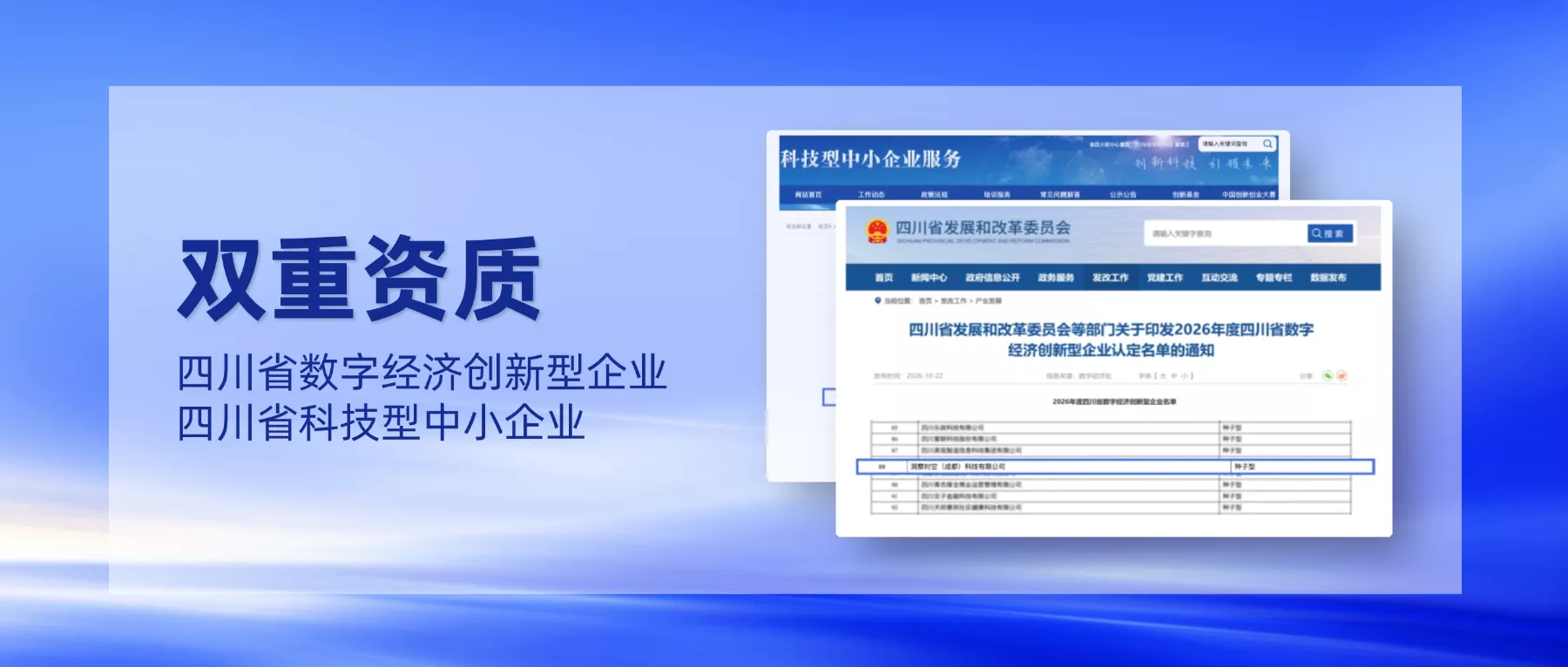
Strength and Potential Both Recognized by the Government: Insight Space-Time Named a Sichuan Digital Economy Innovative Enterprise and a Technology-Based SME
Learn more
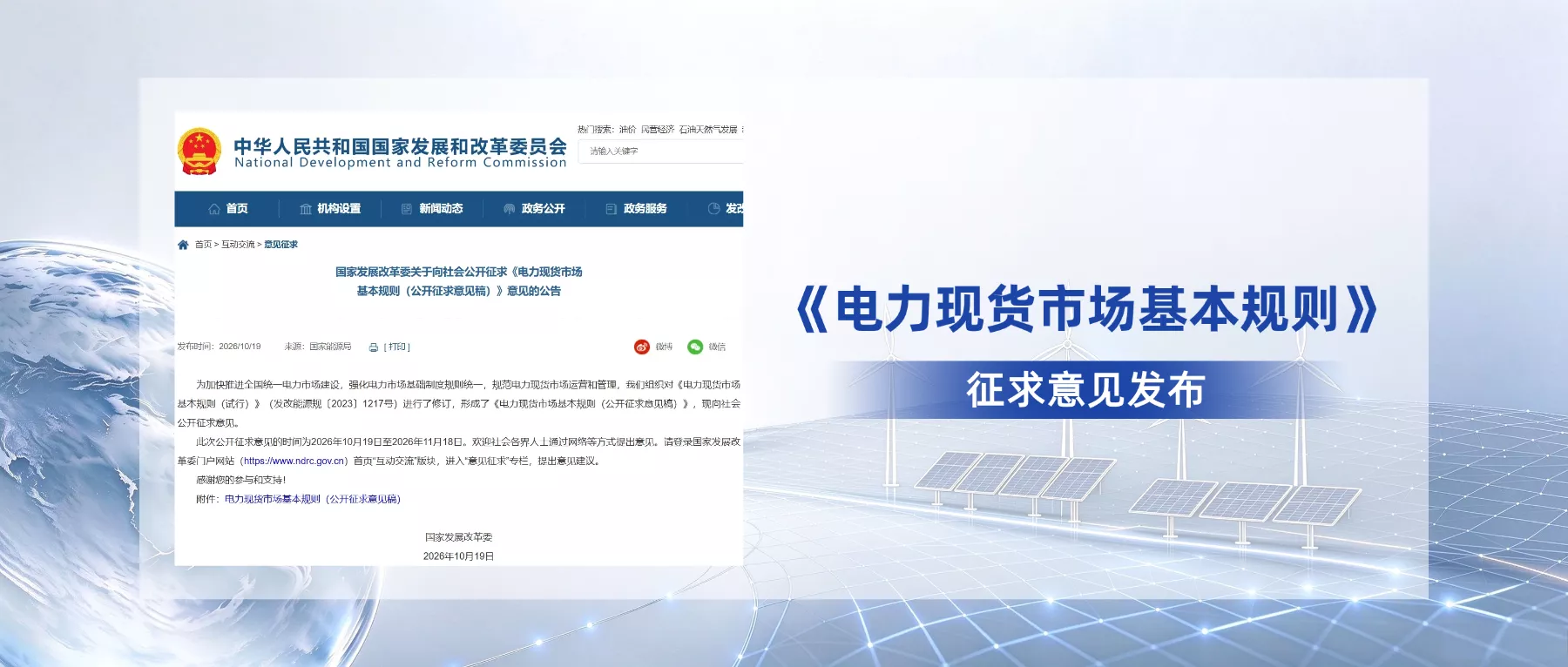
New Rules for the Electricity Spot Market Are Here: StarQue Foundation Model Helps the New Energy Power Industry Build Core Competitiveness
Learn more
Contact Us
Submit


© 2026 Insight Time-Space. All rights reserved. |
Privacy Policy