


Submission successful
Cancel

Mar.20.2026
Back

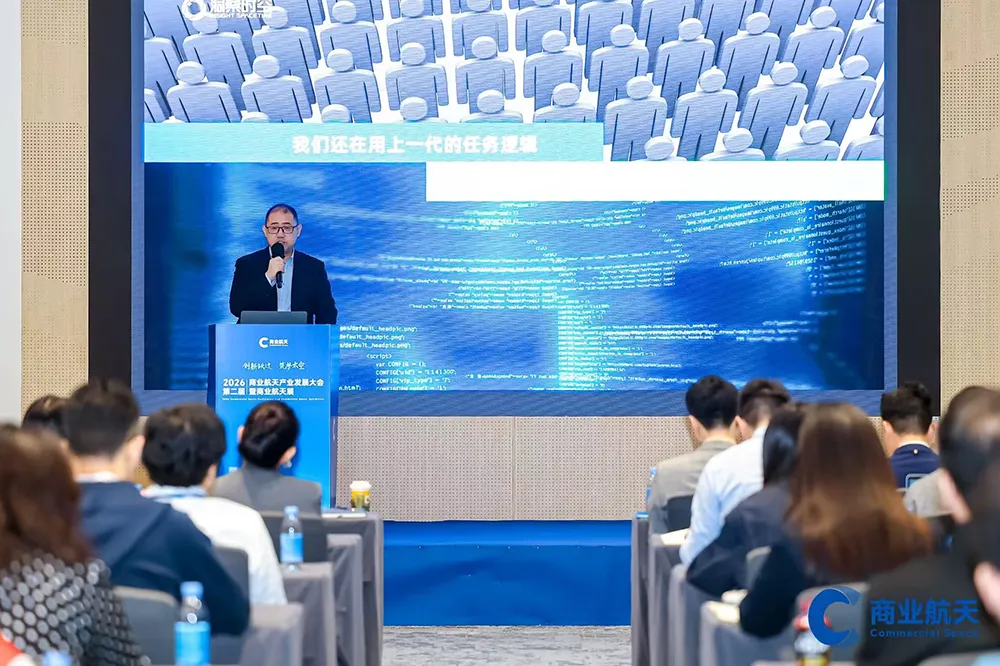
Selected Excerpts from the Speech Content as Follows
What truly changes the world's landscape is often not a single-point technology, but a leap in spatial capabilities.
From the great voyages of the sea to the great voyages of space, humanity is moving from the Earth's surface into space. A trillion-scale 'space economy' is rapidly taking shape. Unlike the past, space is no longer merely an extension of launch capabilities but is gradually evolving into a complete industrial ecosystem encompassing communications, navigation, and Earth observation.
Twenty years ago, global navigation systems represented by GPS and BeiDou made location-based services (LBS) possible, ultimately catalyzing the explosion of the mobile internet. If LBS solved the question of 'where I am,' today's problem has shifted to: what is happening in the world, and how will it evolve? With the continuous improvement of spatial infrastructure, four-dimensional spatiotemporal data has already laid the foundation for deriving spatiotemporal intelligence. The world can now anticipate a comprehensive upgrade in Earth's cognitive capabilities—the birth of Geospatial-based-service (GBS).
The current spatiotemporal data system still faces issues such as being difficult to use, high cost, and insufficient supply. However, the real breakthrough comes from three things happening simultaneously:
1. Data dimension upgrade + AI, making space data more usable.
2. Launch cost reduction + satellite cost reduction, making space data more affordable.
3. Open platform operation, building platform-based data supply capabilities, making space data more accessible.
The infrastructure for spatiotemporal data is, in fact, a severely underestimated 'national-level pivot point.'
Against this backdrop, what Insight Spacetime aims to do is something more fundamental: combining spatiotemporal intelligent big data with physical world large models to construct a new type of intelligent infrastructure oriented towards the real world. The team has condensed its core capabilities into three directions: 'Data, Ontology, AI':
'Data allows us to see the world, ontology allows us to organize the world, and AI allows us to understand the world. These three, working in synergy, constitute the true core capability of Insight Spacetime.'
At the application level, this capability is expected to drive a transformation in decision-making paradigms—shifting from reliance on experience and lagging data to intelligent decisions based on real-time perception and dynamic inference. As the real world is continuously modeled and understood, technological innovation will also move from single-point applications towards systemic transformation.
Insight Spacetime stated that it will continue to advance the construction of data capabilities and model capabilities in an open and collaborative manner, and work with industry partners to explore the new ecosystem of spatiotemporal intelligence.
Prev
Physical World Foundation Model Makes Its First Industry Debut in Energy Sector — Insight Space-Time Partners with WEnergy Group Industrial Research Institute to Launch "Anhui Energy Agent"Next
Expert Opinion | 2026: Artificial Intelligence Sheds Illusions, Ultimately Connecting the Physical WorldBack
Newsroom
Last news

Insight Space-Time AI Research Accepted for Oral Presentation at KDD 2027, the Top International Conference on AI & Data Mining
Learn more
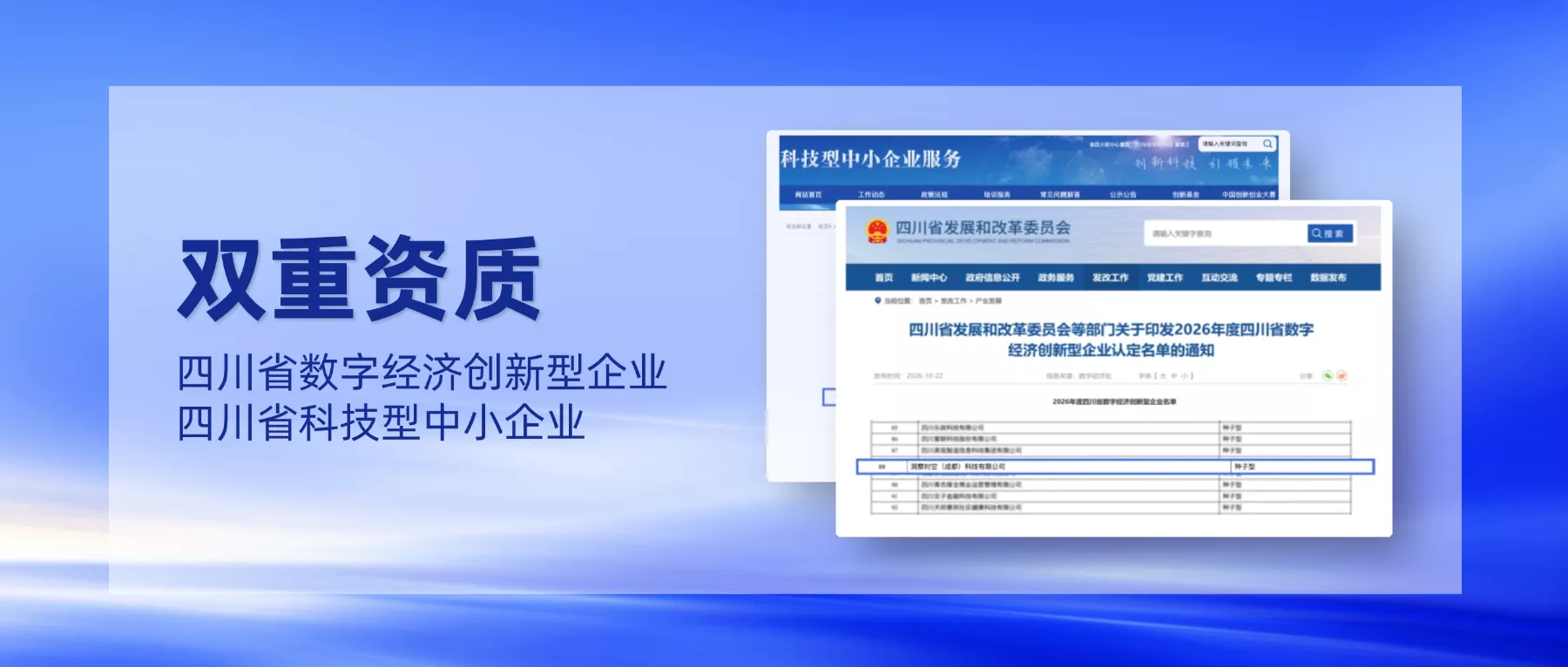
Strength and Potential Both Recognized by the Government: Insight Space-Time Named a Sichuan Digital Economy Innovative Enterprise and a Technology-Based SME
Learn more
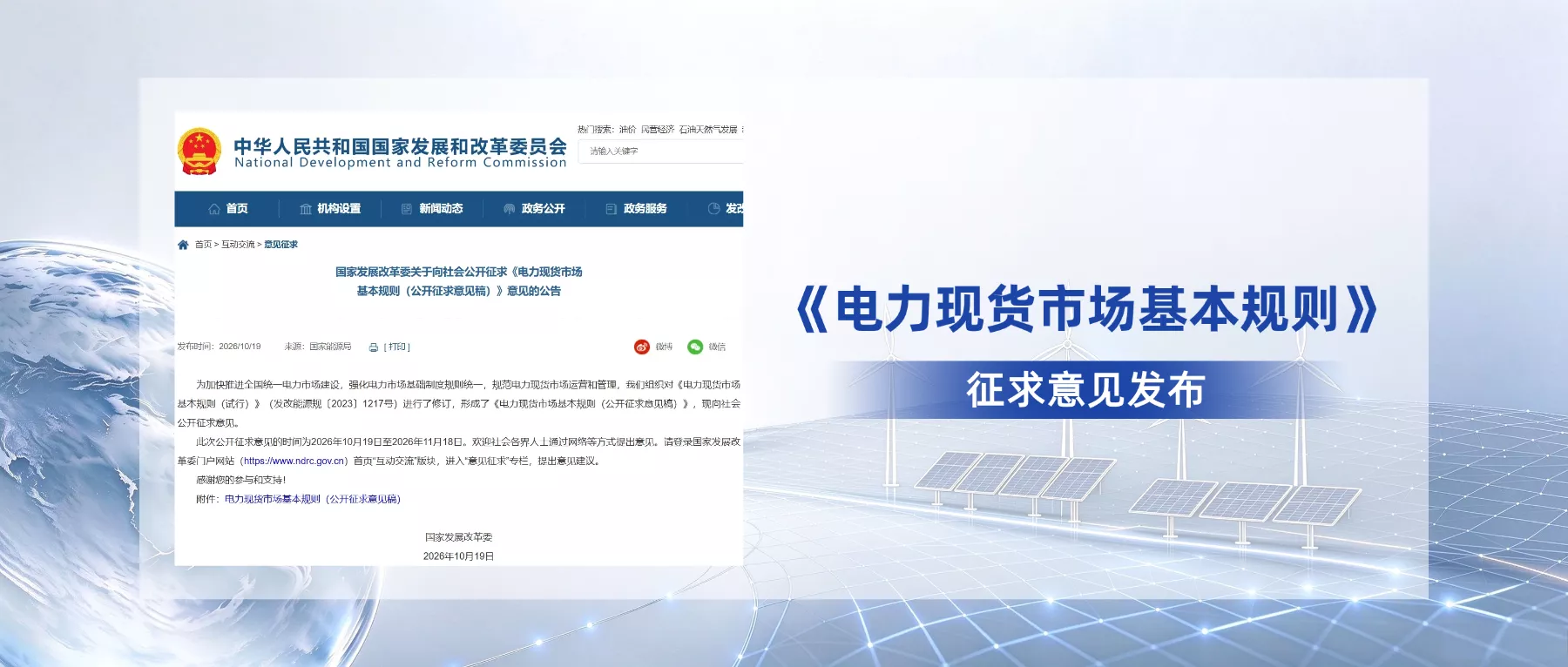
New Rules for the Electricity Spot Market Are Here: StarQue Foundation Model Helps the New Energy Power Industry Build Core Competitiveness
Learn more
Contact Us
Submit


© 2026 Insight Time-Space. All rights reserved. |
Privacy Policy